Posted in Uncategorized

Revision: Getting Re-Excited

You know when you stare and stare at the monitor and your fingers just sit there on the keyboard doing nothing? Because the picture book in front of you may be technically fine, even good, but it’s not there yet and all the staring doesn’t seem to be giving you a clue about what would get it there? You haven’t found the magic?

The magic? That indefinable ZING! that is in the best stories and that–I really believe–is rooted in a word, a phrase, a detail, a structural twist, but when you read it, what you get is that feeling of Oh, Yeah! Or Ahhh.

Some examples? Sure.

  • Deborah Underwood and Renata Liwska’s The Quiet Book: The absolutely perfect, layered, resonating choices of types of quiet that she made.
  • Jim Averbeck and Tricia Tusa’s In a Blue Room: The stubborness of the little girl, the patience of the mother, and the ever-increasing stillness of the room and the story.
  • Alan Arkin and Richard Egielski’s One Present from Flekman’s The ever-growing gap between the opposing goals of the grandfather and the granddaughter.
  • Sarah Stewart and David Small’s The Library: The utter contentment, even in the moment of highest conflict.

I’m pretty sure that each of these authors had their moments: first the staring, then…ZING! That Could-This-Be-It wonder that they pursued and found out Yes! Or maybe a few times, No! But then, finally, Yes!

Why am I writing about this today?

Because I may have just…

ZING!

sunzing

Posted in Uncategorized

The Joy and Torture of Art Notes/No Art Notes

I love art notes.

I hate art notes.

Okay, I really only hate them a little bit. Mostly, I do love them. And, at this stage on my PB path, I’m using them. A lot.

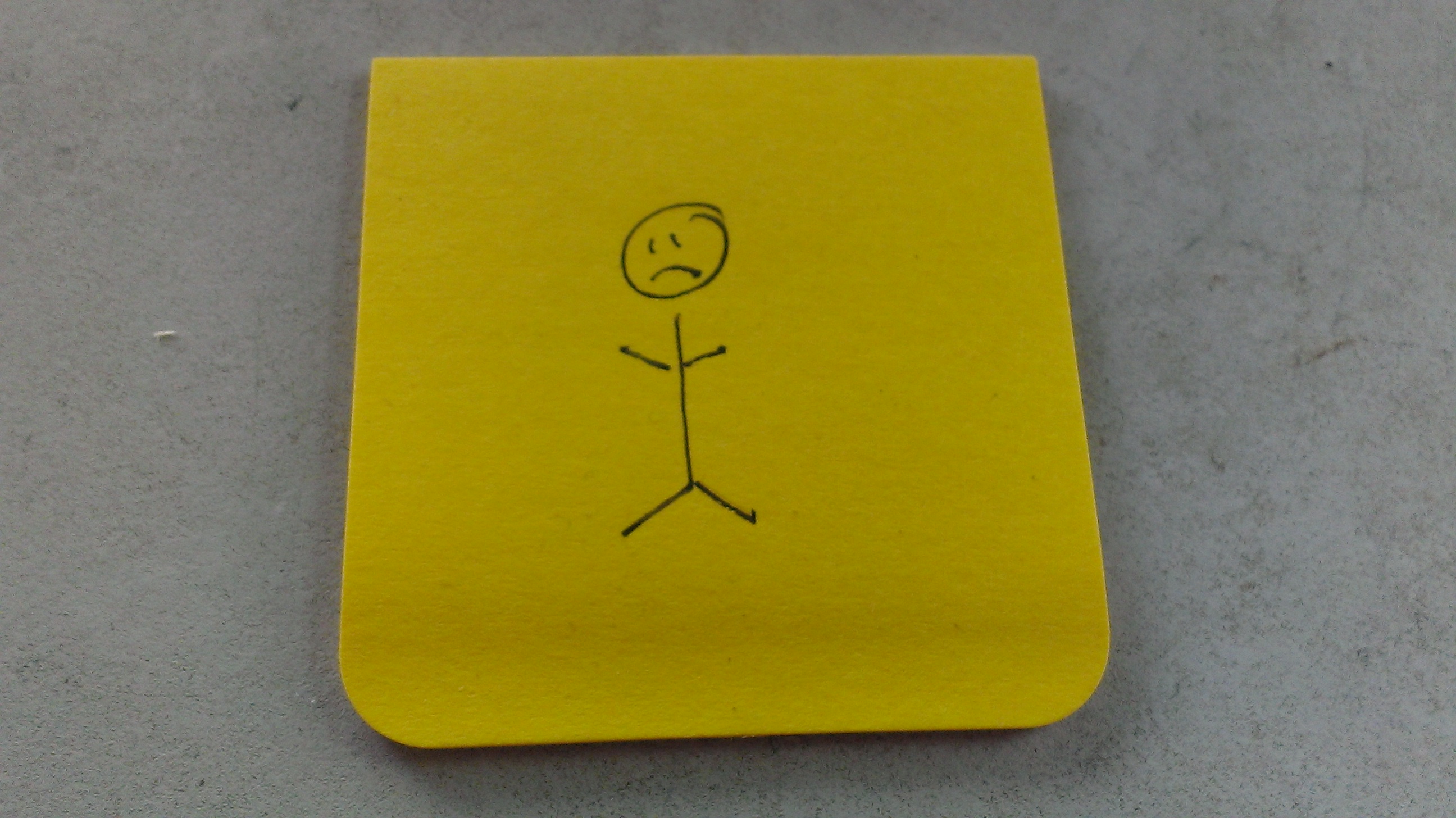
As I’ve mentioned before…I. Can’t. Draw. stick figure

But, you know, I can see! One of my favorite things about writing picture books is that I seem to get snapshot images in my brain as I write–as though I’m eavesdropping on my characters and, at just the right moment, I click my cellphone camera, and…There! That’s what it looks like. Except the images don’t really look like photographs, they look like illustrations. Illustrations I can’t draw.

So I throw in an art note. It seems to capture that image for me, not just on the page, but in my mind. It brings the characters and action to live–still life, yes, but “animated” in the way only a fantastic illustrator can do.

Yes, most of the art notes will come out. (Remember that little bit of hating them?) I know they have to. I know, when I get to the stage where an illustrator is actually working with my words, I won’t get to say, “Draw this.” And, although it’ll be painful at the time, I believe it’s the right way for this process to go. I remember Jim Averbeck talking about the illustrations Tricia Tusa did for his picture book, In a Blue Room (which if you haven’t read, you MUST, because It is the most amazing blend of perfect words and perfect art). Jim said, and I’m paraphrasing and interpreting here, that Tricia created art and, consequently pieces of story, that he had never imagined. And, at least to me, he seemed to describe that fact as a gift to him and to the book.

So, no, I don’t want to push my ideas on any illustrator. (Okay, only a TINY bit of me wants to do that!) I’ll take out the art notes. Most of them. One of the skills I think PB writers have to learn and, hopefully, master, is what very few notes need to stay and which very many notes are simply writing tools.

Tools that I’m using.